
As global trade faces unprecedented turbulence, Singapore must prepare for long-term shifts.
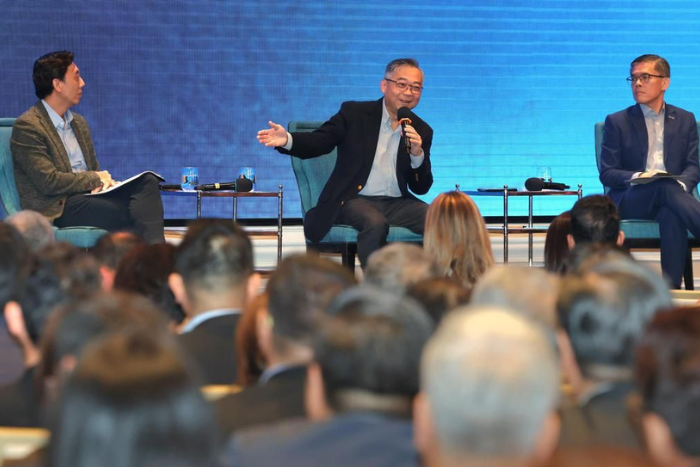
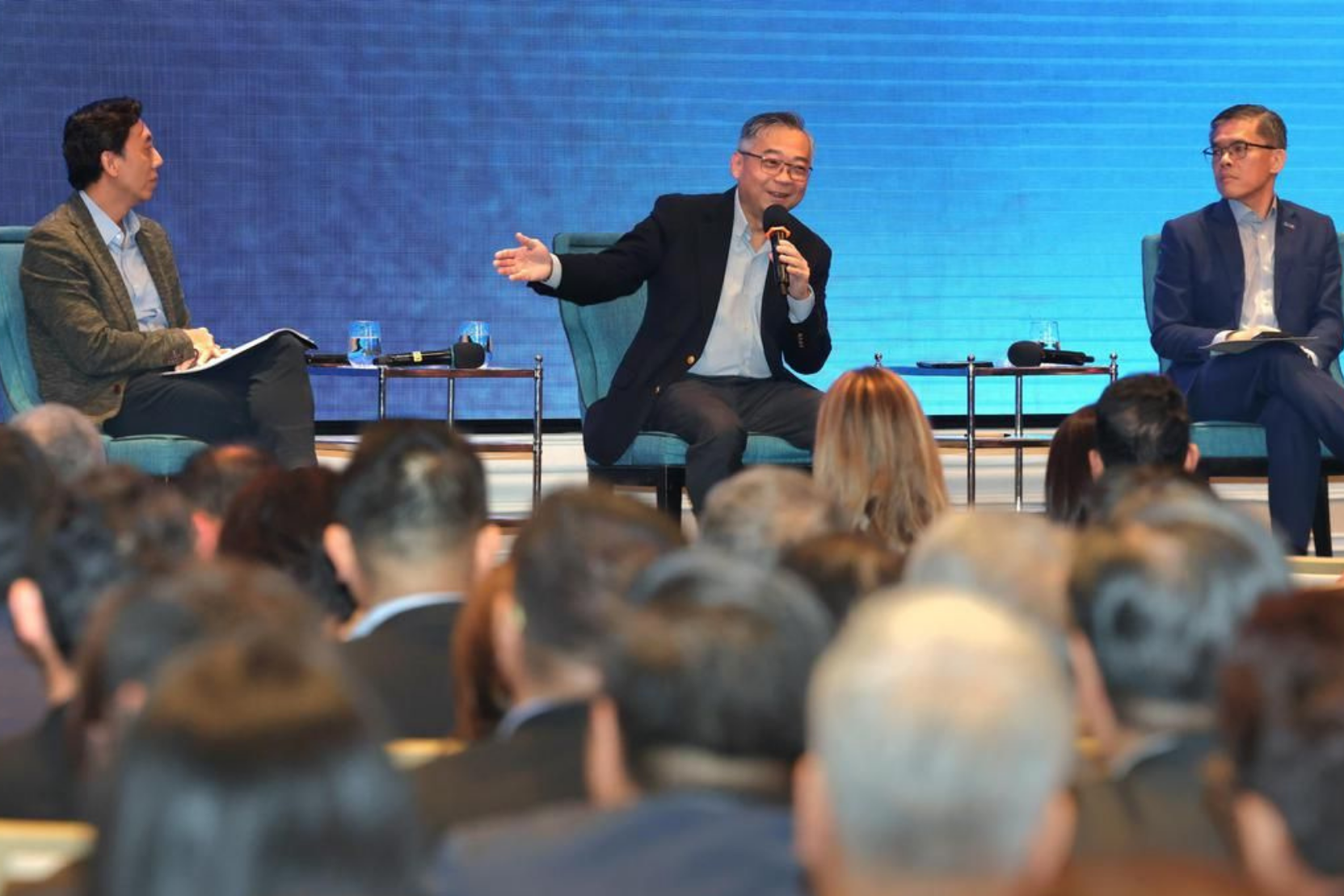
On September 9, at the “Responding to U.S. Tariffs: Adapting and Thriving” forum hosted by the Singapore Business Federation (SBF), Deputy Prime Minister and Minister for Trade and Industry Gan Kim Yong emphasized that although U.S. tariffs appear mild for Singapore, the uncertainty they create is significant. He urged businesses to strengthen fundamentals, enhance connectivity, and upskill their workforce instead of waiting passively.
Also present were Acting Minister for Transport and Senior Minister of State for Finance Chee Hong Tat, and SBF Chairman Lim Ming Yan, all members of the Singapore Economic Resilience Taskforce (SERT).
The Hidden Risks Behind a 10% Tariff
Gan revealed that he had met with U.S. Secretary of Commerce recently to discuss maintaining Singapore’s preferential access.
While Singapore faces only a 10% baseline tariff, this represents a shift from “zero tariffs” to a taxed regime. Other countries bearing higher tariffs may cut back on demand for Singapore goods, and U.S. efforts to reshore manufacturing could weaken existing trade relationships.
Compliance Is Key: No “Origin Washing”
Gan warned businesses to comply strictly with U.S. export and transshipment rules.
Any violation could result in duties applied at the original country’s tariff rate — or fines of up to 40% for intentional circumvention.
Example:
-
Malaysia exports → 19% tariff
-
Singapore exports → 10% tariff
Using Singapore merely as a transshipment hub to reduce tariffs could lead to severe penalties.
Chee Hong Tat: Singapore Must Be Smarter in a Ruleless World
Chee highlighted three priorities for Singapore’s economic strategy:
-
Enhancing Singapore’s appeal as an investment destination
-
Supporting enterprise growth
-
Strengthening its role as a hub for “mobile factors” — goods, capital, talent, data, and renewable energy
“In a world where rules are increasingly uncertain and tariff wars are the norm, Singapore must be smarter and more adaptable to continue attracting investments,” he said.
Chee also shared plans to visit the U.S. later this month to engage with companies and institutions.
Cross-Border Collaboration with Johor
Addressing concerns about the Johor-Singapore Economic Zone and the RTS link, Chee said cross-border cooperation is vital for the future.
The government is exploring the possibility of a Singapore-led industrial park in Johor, allowing local firms to expand across the Causeway while streamlining negotiations with Malaysian counterparts.
Singapore’s Stand: Free Trade Matters
Despite growing challenges to multilateralism, Gan reaffirmed Singapore’s commitment to the World Trade Organization (WTO):
“Free trade is vital for small, open economies. We must do our utmost to push for WTO reform to keep it effective and relevant.”
Amid the uncertainty of tariff wars, Singapore businesses face risks but also opportunities:
-
For companies: accelerate digitalization, upskill workers, and ensure compliance
-
For the government: build a pro-investment ecosystem and deepen regional cooperation
-
For the nation: uphold free trade and champion multilateralism
👉 Instead of waiting for change, Singapore must proactively upgrade and adapt.

