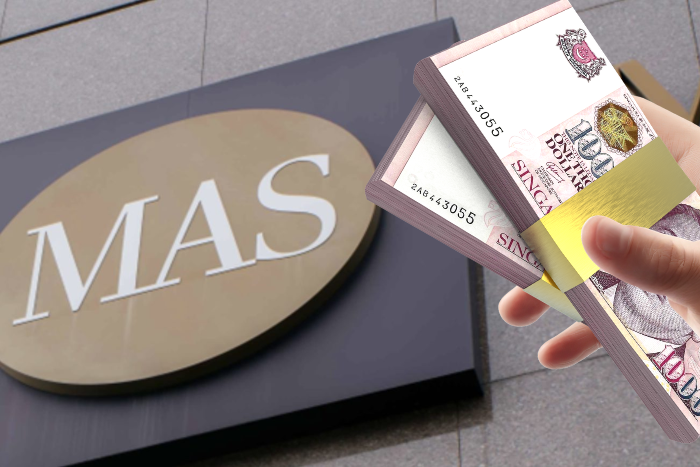
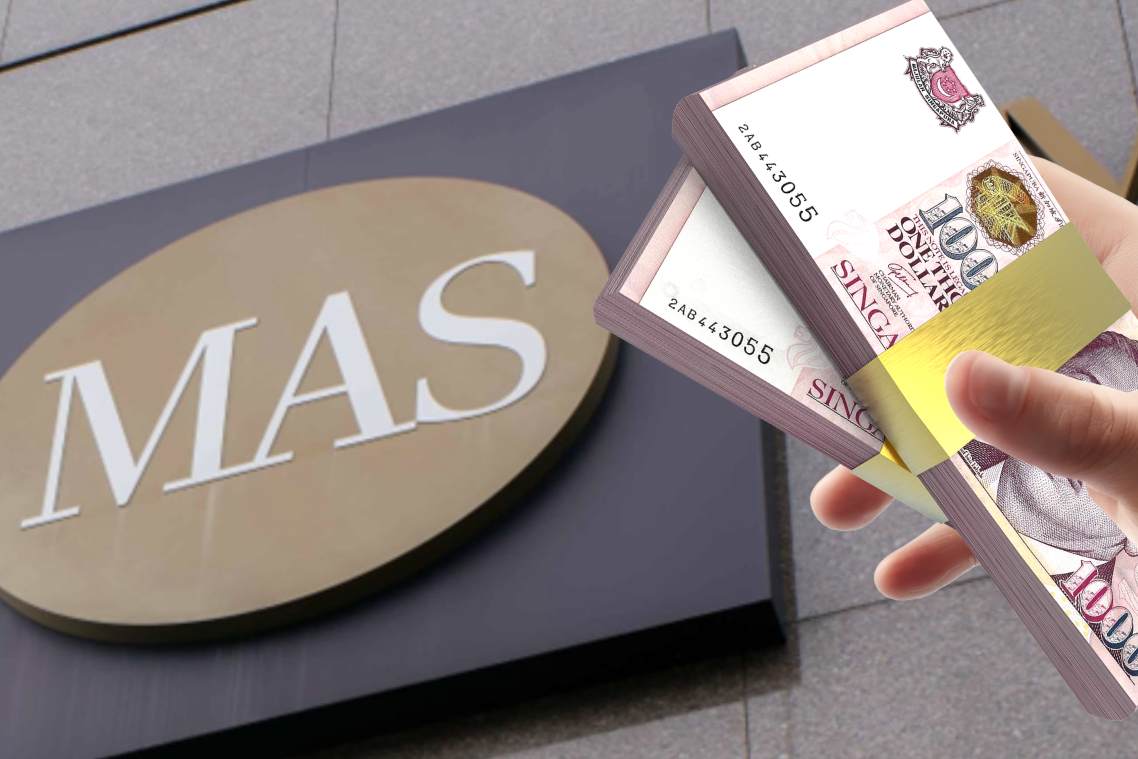
On April 14, 2026, the Monetary Authority of Singapore (MAS) announced a tightening of its monetary policy, marking the first such adjustment since October 2022. This move is aimed at addressing imported inflationary pressures triggered by surging energy prices amid the Middle East crisis. By slightly increasing the rate of appreciation of the Singapore dollar nominal effective exchange rate (S$NEER) policy band, MAS seeks to leverage a stronger Singapore dollar to mitigate the impact of rising imported goods prices on domestic inflation .
Policy Adjustment and Inflation Forecasts
The core of this monetary policy adjustment lies in allowing the Singapore dollar to appreciate further. Specifically, MAS has slightly raised the rate of appreciation of the S$NEER policy band, while maintaining the width of the band and the level at which it is centred . The direct consequence of this decision is that a stronger Singapore dollar will make imported goods relatively cheaper, thereby helping to curb inflation.
Alongside this policy adjustment, MAS has also revised its inflation forecasts for 2026 upwards. Both the core inflation rate (which excludes accommodation and private transport costs) and the headline inflation rate have been revised from the previous forecast of 1.0% to 2.0% to a higher range of 1.5% to 2.5% . This indicates that MAS expects inflationary pressures to persist over the coming quarters.
Energy Price Shocks and Inflation Transmission
The primary driver behind this monetary policy tightening is the significant impact of the Middle East crisis on global energy prices. Since late February 2026, shipping through the Strait of Hormuz has been severely constrained, leading to a sharp rise in the prices of crude oil, natural gas, and related chemical compounds. As a country highly dependent on imported energy, Singapore will see these rising imported energy costs directly transmit into domestic electricity, gas, and transport-related inflation .
MAS noted that even if energy supplies from the Middle East are restored, global energy prices are likely to remain elevated for some time. This is primarily due to the lagged effect of energy deliveries, the time required for supply to fully recover, and the pent-up demand from governments seeking to rebuild their energy reserves. As energy costs pass through global supply chains, the prices of a broader range of Singapore’s imported intermediate and final consumer goods are expected to rise, which will in turn drive up the prices of non-cooked food, retail, and other goods .
Economic Growth Backdrop and Risks
Despite facing inflationary pressures, the Singapore economy demonstrated some resilience in the first quarter of 2026, with advance estimates showing a year-on-year growth of 4.6%. However, MAS expects overall economic growth to slow down over the course of 2026, with the output gap averaging around zero, indicating a relative balance between supply and demand . Global investments related to artificial intelligence (AI), as well as domestic public infrastructure and housing investments, will continue to support economic growth.
Nevertheless, significant uncertainties remain in the outlook. A persistent disruption to energy supplies could exacerbate global inflationary pressures and deepen the drag on economic growth. Shortages of key intermediate inputs could also abruptly curtail industrial production. Furthermore, a further tightening of global financial conditions or an unexpected pullback in AI-related investments could compound the downside risks to economic growth .
Economists’ Perspectives and Future Outlook
Market economists generally view the MAS’s decision to tighten monetary policy as in line with expectations. Given that global inflationary pressures are unlikely to ease in the short term, most economists predict that MAS may further tighten monetary policy in the future to curb upside inflation risks. For instance, UOB Associate Economist Jester Koh believes that MAS might take further action in October, or even as early as July . Maybank economists Chua Hak Bin and Lee Ju Ye also pointed out that moderately tightening monetary policy while the economy remains resilient helps cushion the impact of imported inflation on households and businesses, thereby increasing the likelihood of another tightening by MAS in July .
The MAS statement also emphasized its readiness to “curb excessive volatility in the S$NEER,” suggesting that if geopolitical instability intensifies and leads to greater exchange rate volatility, the frequency of policy adjustments may increase, thereby heightening financial market volatility .
The tightening of monetary policy by the Monetary Authority of Singapore is a crucial step in actively addressing imported inflationary pressures within a complex and volatile global economic environment. By allowing the Singapore dollar to appreciate moderately, MAS aims to maintain medium-term price stability and protect the purchasing power of consumers and businesses. Future monetary policy directions will closely monitor global energy market dynamics as well as the evolution of domestic inflation and economic growth.
References