
On 12 February 2025, the Monetary Authority of Singapore (MAS) and the Association of Banks in Singapore (ABS) issued a joint media release announcing a major structural reform in the nation’s payments landscape.
They revealed plans to form a new national entity that would consolidate the governance and administration of Singapore’s eight key payment systems under one roof — a foundational step toward centralised oversight and streamlined coordination.
From Fragmentation to Integration: A Turning Point in Singapore’s Payment Infrastructure
At the 52nd ABS Annual Dinner on 25 June 2025, MAS and ABS jointly announced the official establishment of the Singapore Payments Network (SPaN) — a dedicated national payments governance body.
SPaN will unify the oversight of Singapore’s eight major payment systems, which are currently managed by a range of agencies.
In his keynote address, MAS Managing Director Chia Der Jiun emphasised:
“The formation of SPaN marks a significant step in strengthening our national payment infrastructure. It brings our payment systems under a single, unified governance structure — moving us from a multi-agency model to coordinated oversight.”
This transformation lays the groundwork for a more secure, resilient, and innovation-ready payments ecosystem — one that can support Singapore’s ambitions as a global digital financial hub.
The Current Fragmented Landscape
While Singapore’s payment systems rank among the world’s most stable and efficient, they are governed separately by various institutions. This fragmentation creates challenges in policy alignment, development pace, and technical integration.
Here’s how the current system is structured:
-
Singapore Clearing House Association (SCHA) oversees:
-
FAST (Fast and Secure Transfers)
-
GIRO
-
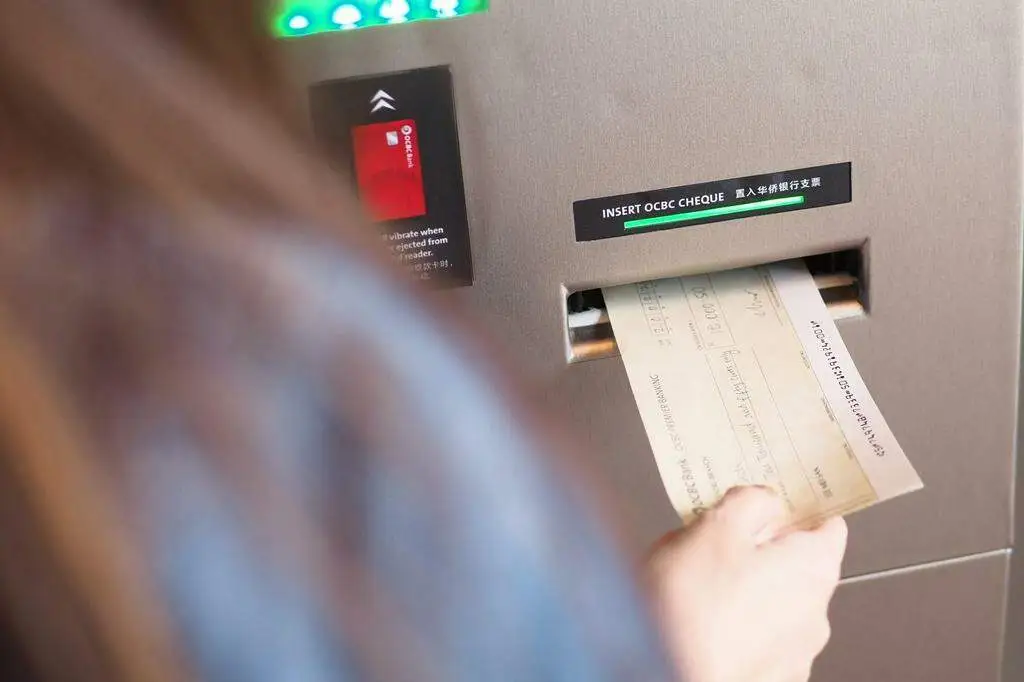
SGD and USD cheque clearing systems
-
-
ABS oversees:
-
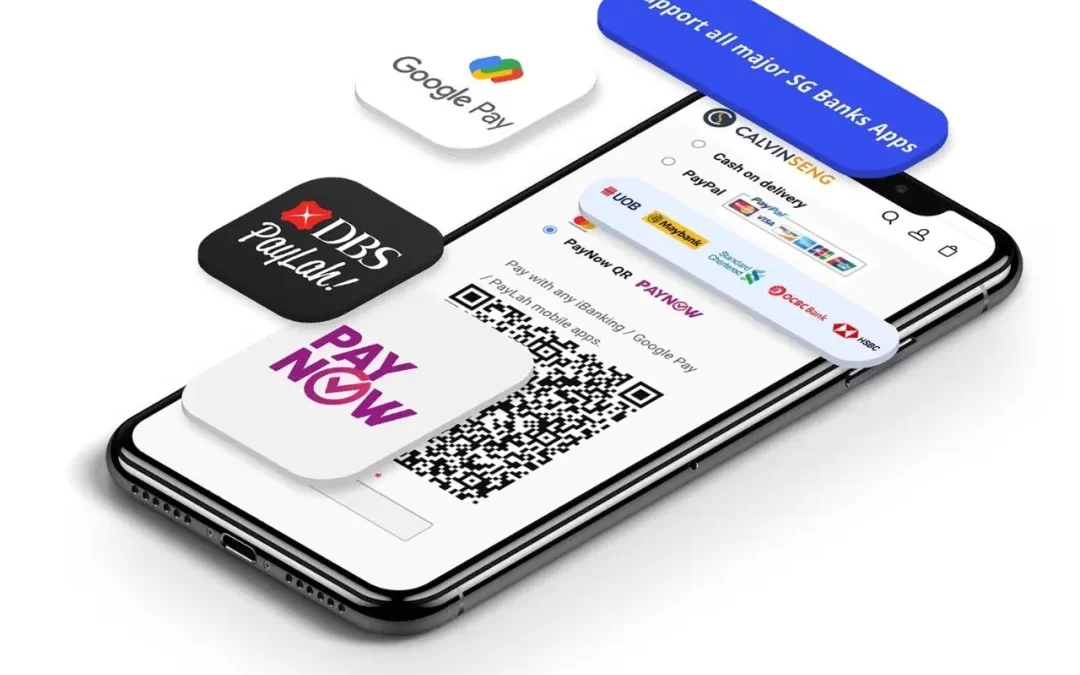
PayNow
-
eGIRO
-
Electronic Deferred Payment (EDP)
-
-
MAS and Infocomm Media Development Authority (IMDA) co-govern:
-
SGQR (Singapore Quick Response Code)
-
Although effective in the past, this multi-operator model now struggles to keep pace with rising demands for cross-platform interoperability, data integration, and real-time fraud prevention.
✅ Note: There will be no changes to how these systems operate for end users. The transformation only affects the governance and coordination model.